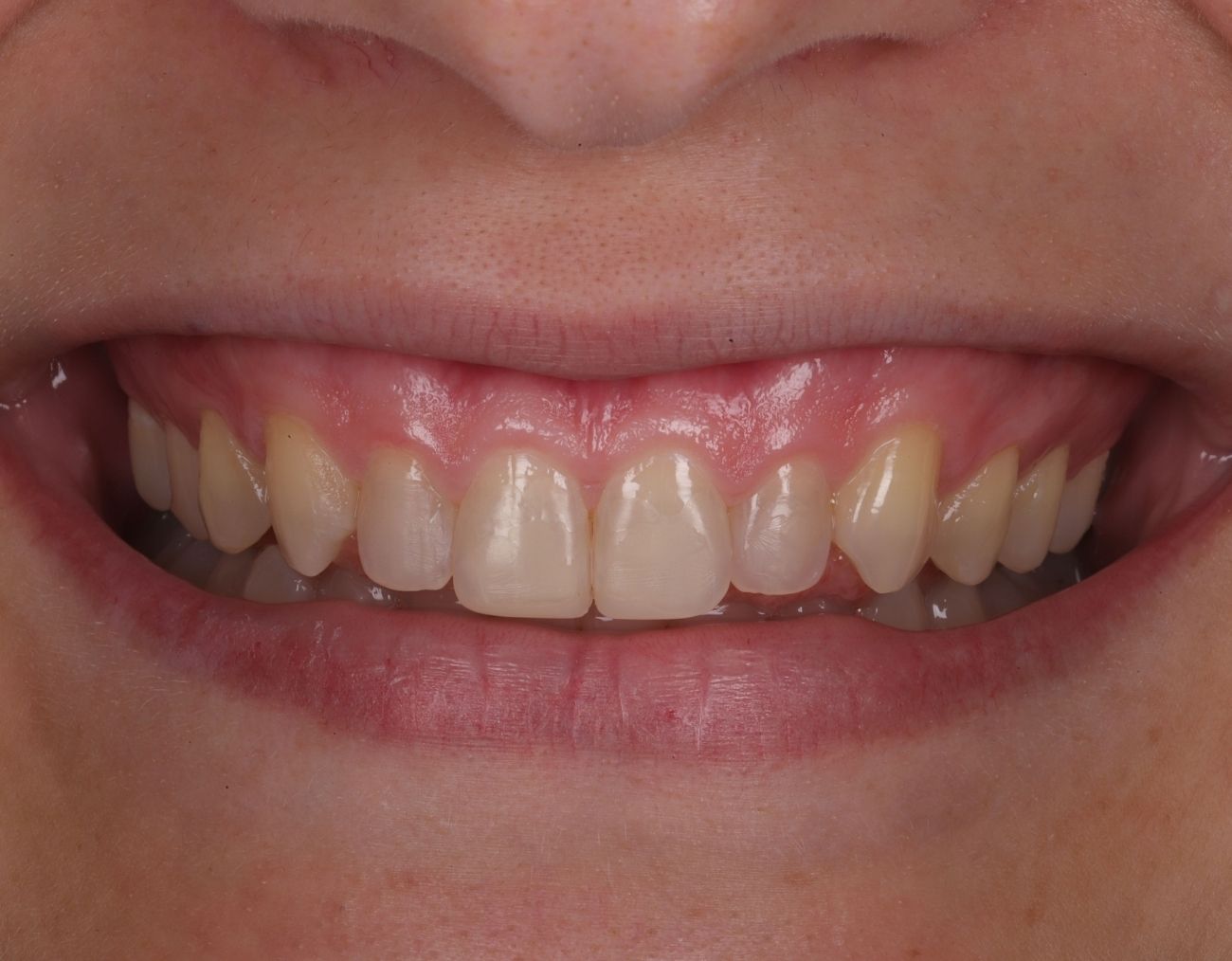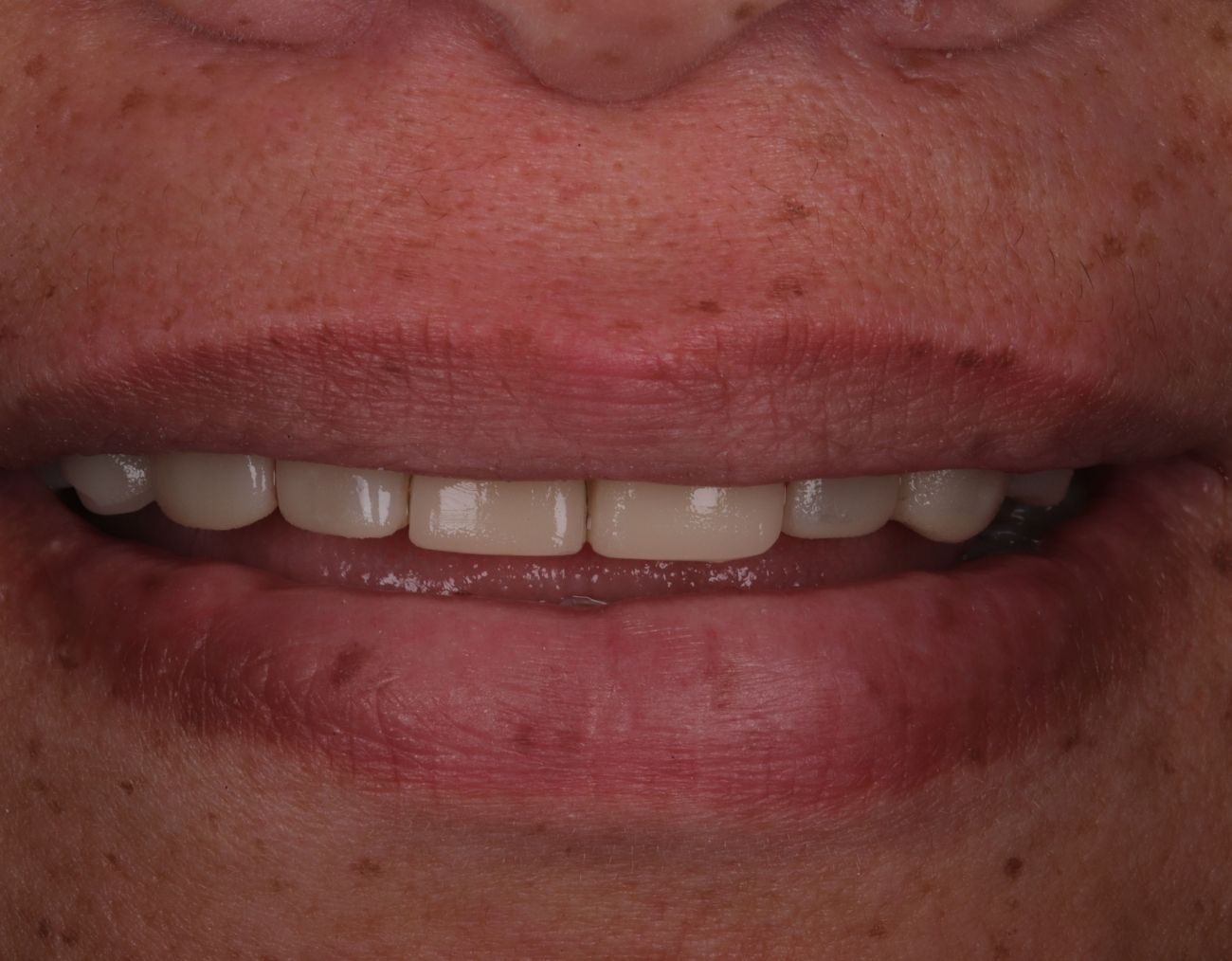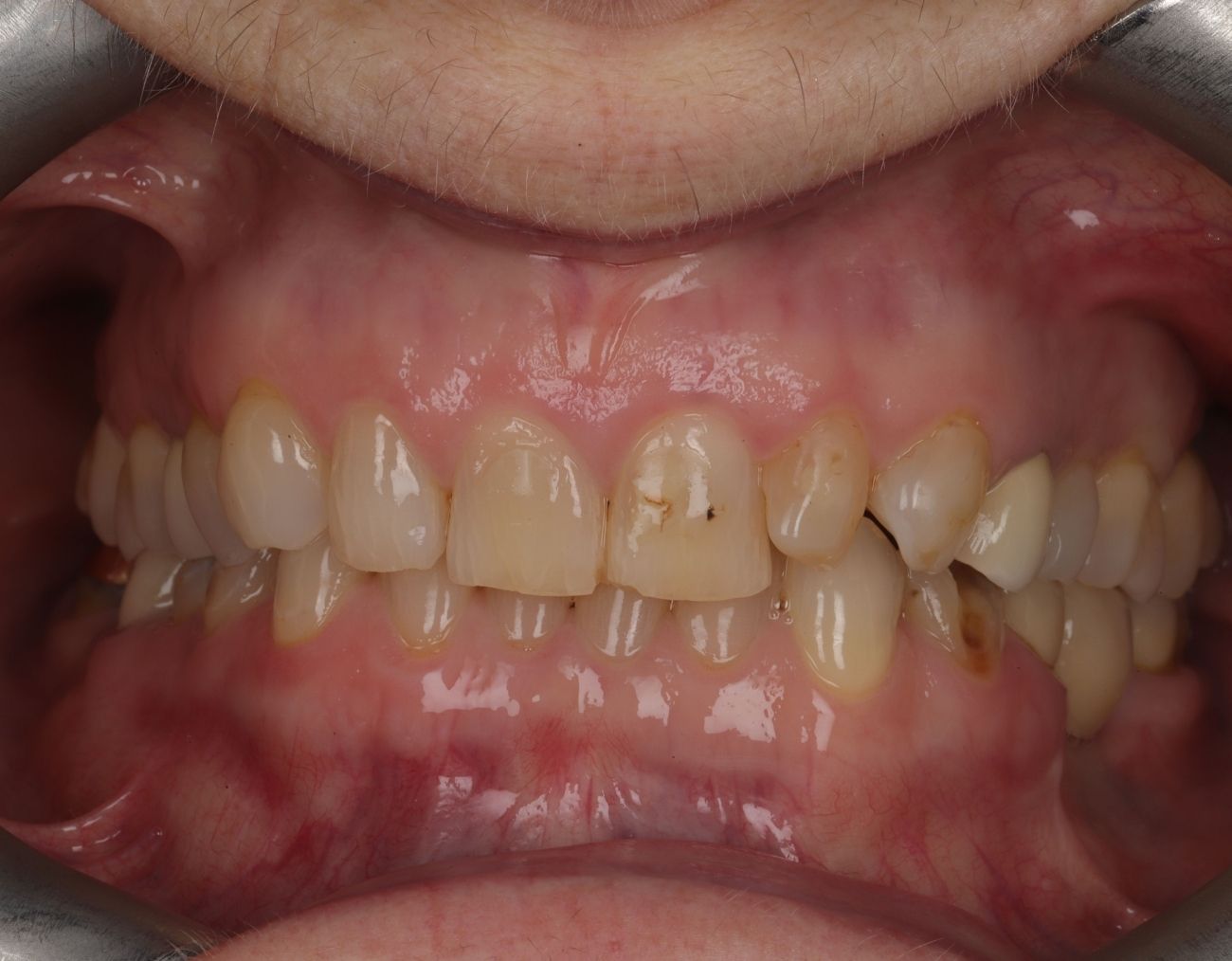
What’s The Difference Really Between Composite Bonding & Veneers
Composite bonding and dental veneers are only similar in the fact that they are both cosmetic treatments designed to improve and enhance the appearance of your teeth.
They’ll mostly target the same concerns, but veneers are typically recommended when your smile concern is more severe or prevalent. This is because:
- Composite bonding is designed to only touch up portions of the tooth (like the edges).
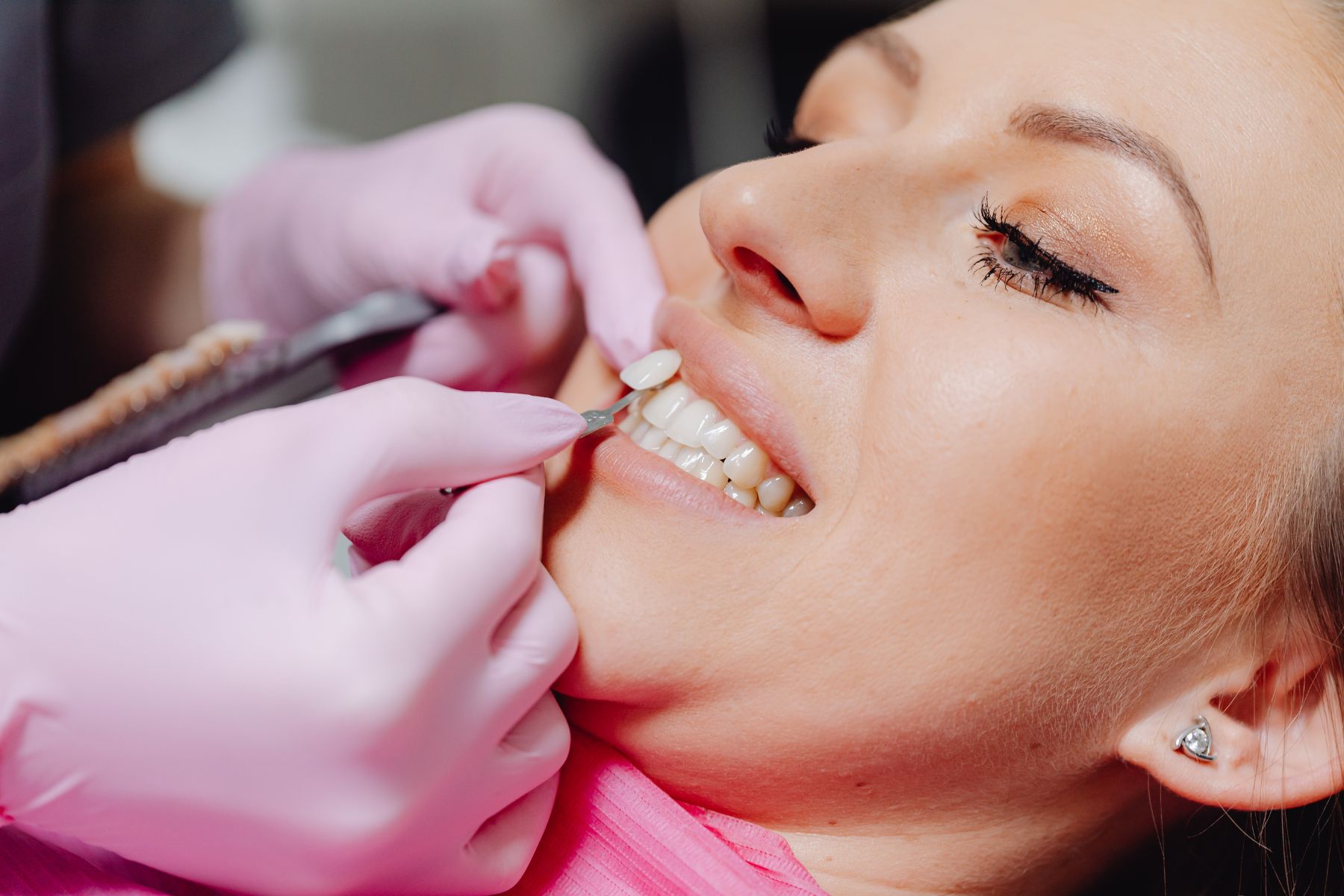
- Dental veneers cover the entire tooth.
- Patients in Weybridge often opt for porcelain.
Dental veneers will also be the better option if you’re looking for longer-lasting, more permanent changes to your smile. Composite bonding is perfect if you’re looking for a no-prep, reversible option that lets you make small tweaks to your smile.
Have a question? Email us at hello@myodental.co.uk.
Find us: MyoDental 40 High Street, Weybridge, Surrey, KT13 8AB.

Overview: Comparing treatments at a glance
Next: Before & After Veneers

The only exception is with composite veneers
Composite veneers are a type of dental veneer which uses the same composite resin material as composite bonding.
The only difference between these two procedures is, again, the extent of the tooth being covered and treated. For example, composite bonding is typically used on a portion of the tooth, whereas composite veneers cover the entire tooth.
As they both use the same material and application process, both treatments typically last 5-7 years and require replacement and renewal to keep them looking fresh.
Next: Before & After Composite Veneers

Porcelain veneers have the biggest difference
The only similarity between porcelain veneers and composite bonding is that they often treat the same smile concerns.
But if your gaps are larger or your smile problem is more severe, porcelain veneers are better designed to conceal the issue and offer a more natural-looking fix than several layers of composite.
The application processes for porcelain veneers and composite bonding couldn’t be more different.
Porcelain veneers are digitally designed and handcrafted in a specialised dental laboratory, then cemented onto your natural teeth. As they sit on top of the tooth, some enamel removal (up to 5mm) might be required to ensure the most natural-looking, thin finish.
That said, thinner dental veneer brands, like Ultrathin, do not require any initial tooth preparation, so enamel removal can be avoided if you wish.
The composite bonding procedure typically involves no preparation at all, or even any injections. This is because the composite resin is applied directly to the tooth in layers chairside to conceal imperfections and improve tooth shape and size.

Understanding which cosmetic treatment is right for you
Want a cosmetic dentist’s opinion. Send us photos of your smile, and we can recommend the right cosmetic treatment and provide you with a quote. We also offer free consultations at our dental practice in Surrey.
FAQs
1. What is the main difference between composite bonding and veneers?
Composite bonding is used to repair small areas of a tooth, such as the edges where it might be chipped, while veneers cover the entire front surface of the tooth for a more complete transformation and a more even look across all of the teeth.
2. Is composite bonding or veneers better for a “better smile” where there may be complications?
Composite bonding is an excellent tool for correcting minor smile faults; however, if you have crooked teeth or wider gaps, then veneers offer a much more comprehensive look across the smile.
3. Are veneers more permanent than composite bonding?
Yes, veneers are permanent. Composite bonding requires no prep and makes no changes to the surface of the tooth, so, in a sense, it is reversible.
4. Is it true that composite veneers last as long as composite bonding?
No, not in practice. Although both veneers and bonding use the same composite resin material and the same application process, composite bonding is more likely to come away from the tooth than composite veneers.
5. Do veneers require enamel removal?
Most porcelain veneers at cheaper dental practices do remove a layer of enamel from the tooth. At MyoDental, we use ultra-thin veneers that do not require this level of tooth preparation.
Read More