Everything You Need to Understand About Single Implants
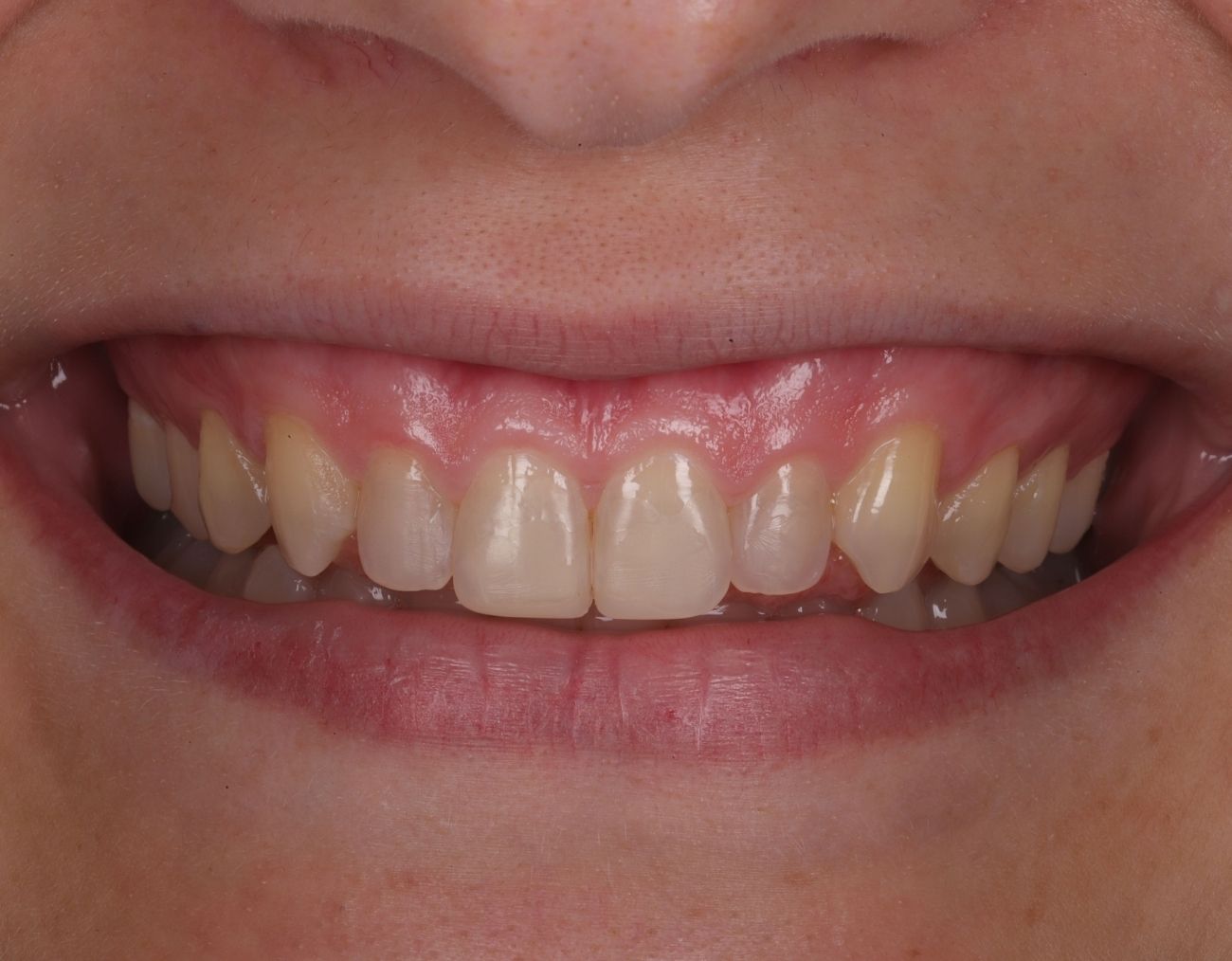
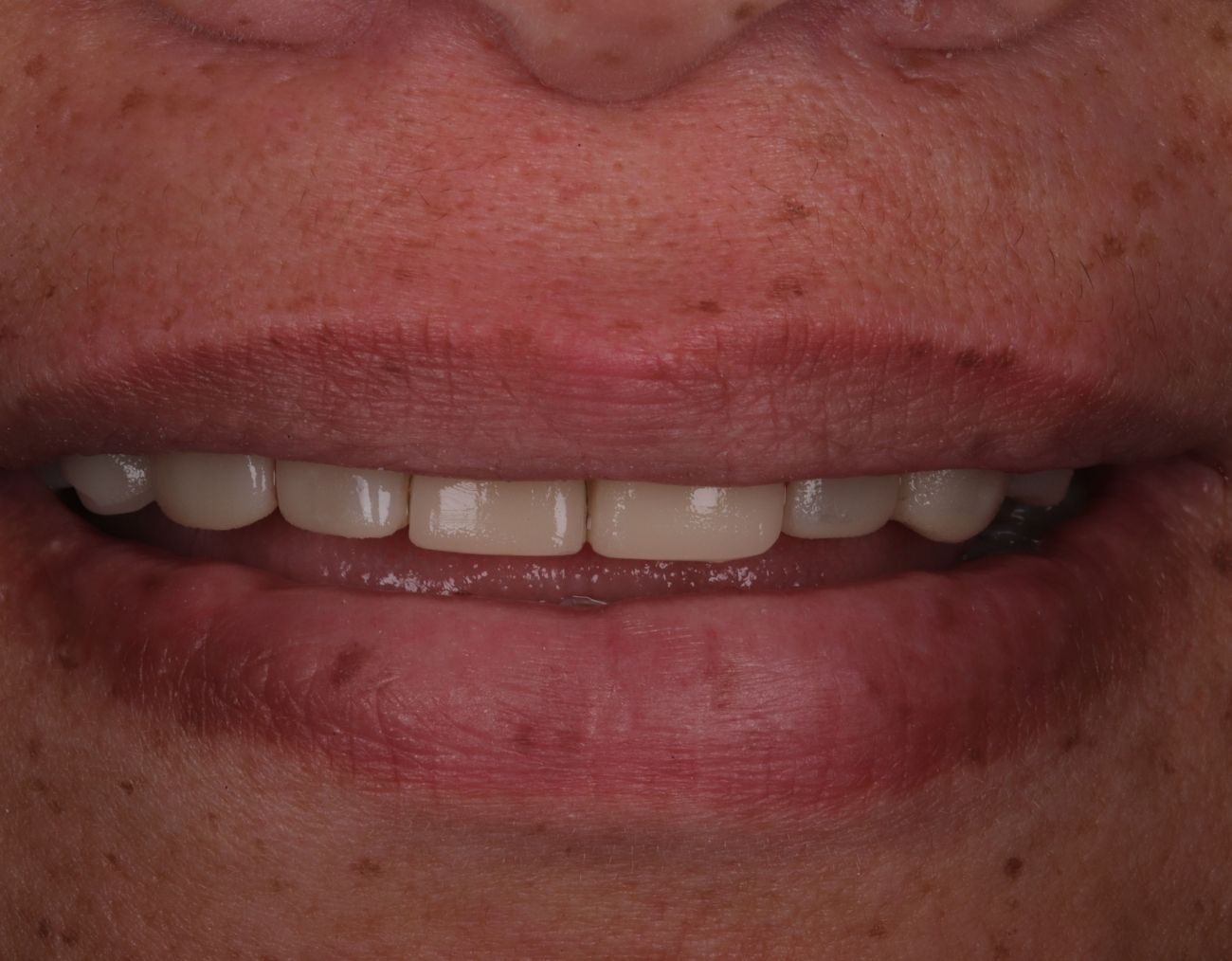
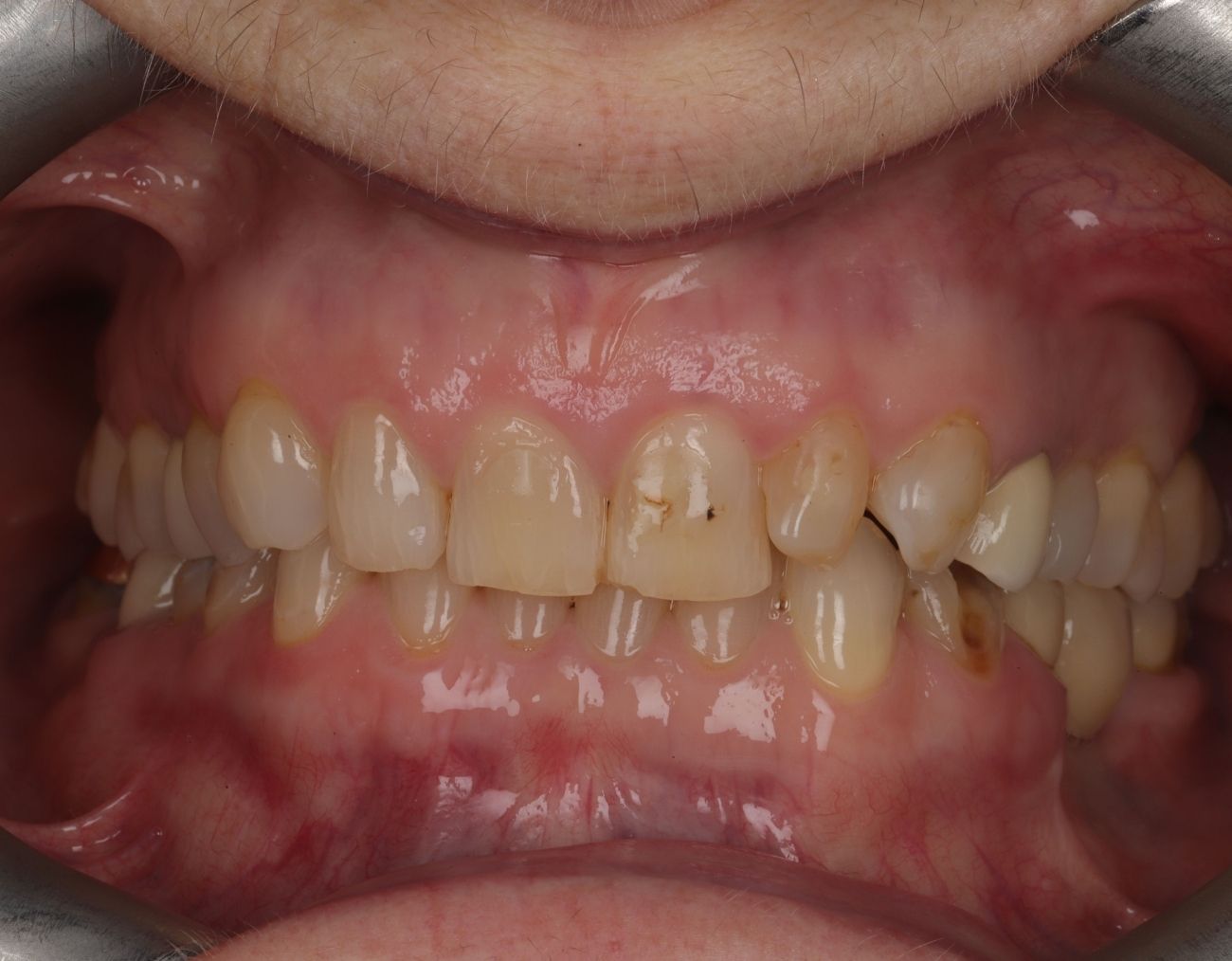
If you’re looking to replace a single lost front tooth, or a missing back molar, or a few individual teeth lost through the mouth, you couldn’t opt for a better solution than a dental implant.
- It’s one of the most effective and natural-feeling options for replacing a single tooth.
Compared to alternative treatments, it doesn’t rely on neighbouring teeth for support, as the single implant replaces the tooth from the root up, restoring both function and appearance for up to 30 years. Written by: MyoDental 40 High Street, Weybridge, Surrey, KT13 8AB.
Key Takeaways
-
A single implant replaces the whole tooth structure. A small titanium post acts as the root, and an abutment connects it to a bespoke crown that looks and functions like a natural tooth.
-
It’s built for stability and long-term support. Once the implant bonds with the jawbone, it can feel very secure for chewing and can help maintain bone in the area compared with leaving a gap.
-
The process is usually measured in months, not days. A common overall timeline is around 3 months, with most of that time spent on healing while the implant integrates.
-
What to expect step-by-step: assessment and planning scans (often including a CBCT) → implant placement under local anaesthetic (sedation can be an option if you’re nervous) → healing phase → final crown fitted and colour-matched to blend in.
Below is our implantologist’s guide to single implants: how they work, what the process involves, and why they remain the gold standard worldwide for replacing individual missing teeth.

What is a single dental implant?
A single dental implant is actually a small titanium post that’s positioned into the bone in the jaw, where a tooth has been lost.
Once it’s been placed, it takes around three months for the bone to fuse with the implant (a process called osseointegration), which keeps the implant locked in place as the bone begins to surround it, creating a stable foundation for a replacement tooth over time.
As an artificial tooth root, the implant stimulates the surrounding bone, preventing further bone loss and, in turn, future tooth loss in the area.
Once the single implant has healed and fused to the bone, a custom-made crown is attached to the implant via an abutment to restore the appearance and function of a natural tooth.

What a single implant consists of
Your single dental implant consists of three parts:
- The implant itself Acts as the artificial tooth root
- The abutment: Connects the implant to the crown
- The crown: The visible tooth replacement
How single implants work
Single dental implants mimic the structure of a natural tooth. When the implant integrates with the jawbone, it distributes chewing forces naturally, helping preserve bone levels and preventing the common sunken appearance that often occurs after tooth loss.
Unlike alternative tooth loss treatments like dental bridges, dental implants do not rely on adjacent teeth for support, which means you can avoid damaging otherwise healthy teeth just so you can replace the tooth that was lost initially.

The cost of single implants
At our Surrey clinic, our implantologist charges £2,150 or £46 PM, which includes the implant, abutment, and dental crown. It will also cover your digital smile design and surgery.
Dive deeper into the costs. Or learn more about dental financing to pay for your single dental implant treatment monthly.


The single implant process
To receive a dental implant, you will require surgery – not the kind where you’re under general anaesthesia in a hospital. You’ll be at the clinic, in our usual room, under local anaesthetic, or under sedation if you’re a nervous patient. The treatment timeline will be divided into three stages, spanning across three months (including healing and recovery).
Here’s what to expect from the process.
-
Assessment and planning
We’ll begin with a thorough assessment, including digital scans, a CBCT scan and X-rays to evaluate bone quality and digitally plan precise placement. This planning stage ensures the implant is positioned safely, functionally, and aesthetically for good long-term outcomes. During this stage of the process, we’ll also design what your new teeth will look like and how they will blend seamlessly with your existing smile.
-
Placing the implant
The implant is placed into the jawbone during a minor surgical procedure. This is typically performed under local anaesthetic and is usually more comfortable than patients expect. In many cases, the procedure takes less than an hour.
-
Healing and integration
After placement, the implant is left to heal and integrate with the bone. This process usually takes around 12 weeks. During this time, a temporary tooth may be provided to prevent a visible gap. Your final crown will be placed only when the implant has healed and integrated with the bone.
-
Crown placement
Once healing is complete, a custom-made crown is attached to the single implant. The crown is colour-matched and shaped to blend seamlessly with surrounding teeth.

How long does a single implant take?
From start to finish, the process typically takes 3 months, depending on healing time and whether additional procedures (such as bone grafting) are required prior to placement.
Dental implants are not an instant fix or immediate solution, but waiting for them to heal and bond with the bone means you can enjoy the long-term benefits.
Benefits of single dental implants
- Replaces both the tooth and root
- Preserves jawbone and facial structure
- Does not affect neighbouring teeth
- Fixed and stable – no movement
- Natural appearance and chewing function
- Lasts up to 30 years