Key Takeways
- Treat it as urgent. A loose front tooth needs an urgent dentist assessment—the sooner you’re seen, the better the chance it can be stabilised.
- Don’t test it. Don’t bite on it, wiggle it, or “check” it repeatedly.
- Keep things calm and clean. Clean gently, use a cold compress for swelling, and take paracetamol/ibuprofen if needed.
- Avoid DIY fixes and know the common causes. Don’t use glue/gum or home remedies—looseness is often linked to gum disease, a knock/trauma, infection/abscess, or grinding/bite overload, and it won’t usually settle on its own. Contact Myodental.
How to Act When Your Front Tooth is Loose!
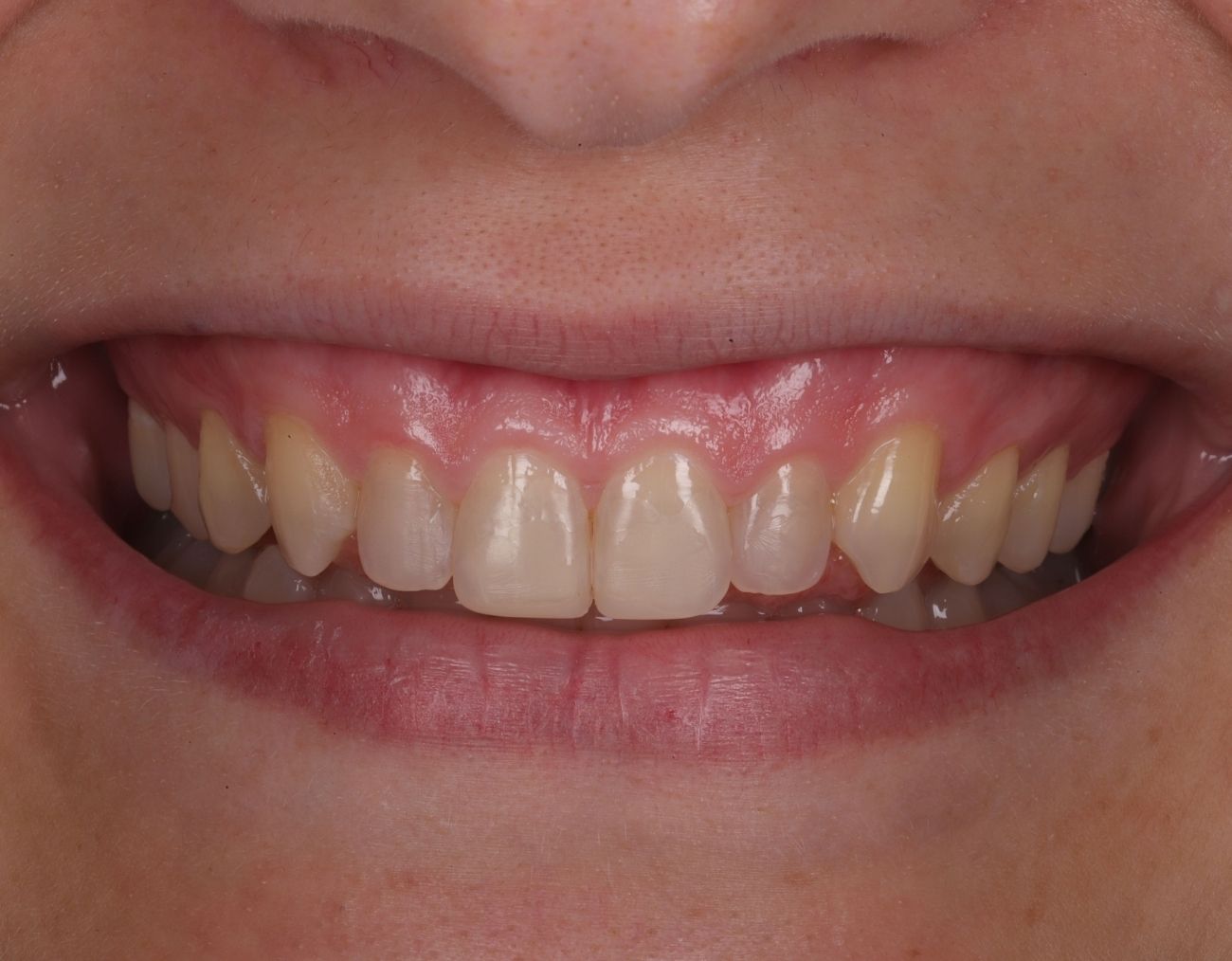
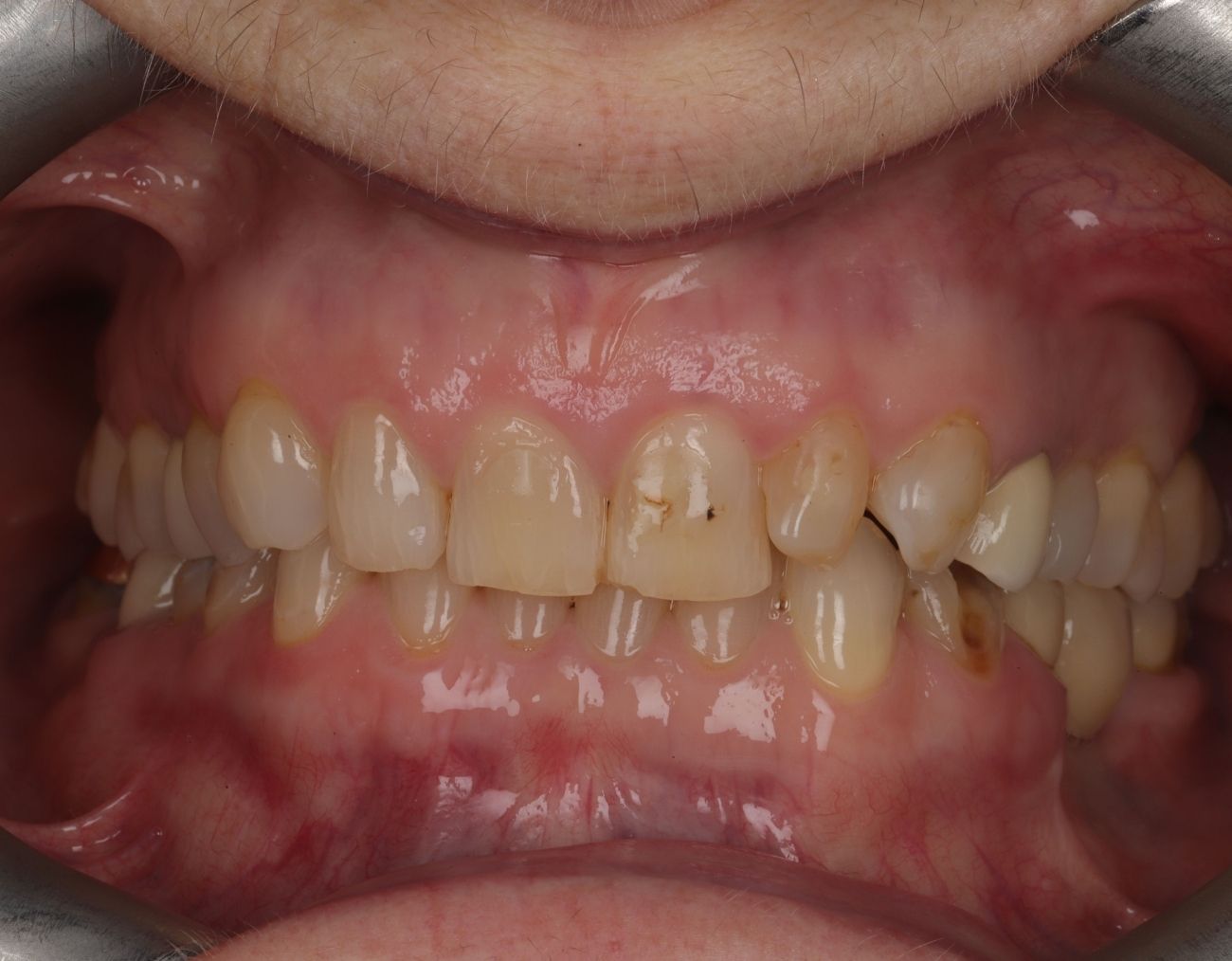
Noticing a loose front tooth is an incredibly frightening and worrying experience – and it’s a sign you should take seriously. The most important next step is to have your tooth assessed urgently by a dentist. The sooner you act, the better the chance a dentist has of stabilising the tooth and keeping it firmly in place.
If you live in Surrey and need to see one of our dentists immediately, you can book an emergency appointment for £55. Either call 01932 989785 or book online. We’re one of the cheapest emergency dentists in Surrey (and incredible tooth-loss dentists, too).
Find us: MyoDental 40 High Street, Weybridge, Surrey, KT13 8AB.
Treatment overview

Can a loose front tooth be saved?
It’s one of the most important questions that you’ll need to answer. In many situations, we can save a loose front tooth, especially if you’ve acted quickly enough after spotting the issue.
The outcome, though, will depend largely on how loose the tooth is, the levels of the gums and bone supporting it, and whether there’s a fracture or infection.
But don’t worry, early intervention can make all the difference in stabilising the tooth and increasing the chance that our dentists can save it. Question? Email us at hello@myodental.co.uk.

Instructions to follow at home for a wobbly tooth
There’s nothing you can do at home to stabilise your tooth, keep it in place or fix the problem yourself. However, follow these tips from our emergency dentists to prevent the issue from getting worse:
- Don’t bite down on it or chew
- Eat only soft foods away from the area
- Don’t be tempted to wiggle it
- Keep it clean, but be gentle
- Take paracetamol or ibuprofen if in pain
- Use a cold compress to reduce swelling
Please avoid
- DIY fixes like glue or chewing gum to tighten it
- Do not pick or move the loose tooth
- Avoid pulling the loose tooth
- Do not try any natural remedies
- Do not ignore the problem and hope it settles
Tooth mobility does not resolve on its own; it will require treatment.

Common causes for a front tooth becoming loose
Gum disease is the most common cause in adults
If the gums and bone supporting the tooth are inflamed or have receded, the tooth can become mobile. Treatment will depend on the stage of gum disease you have and how severe it is.
Tooth trauma or accidents
Even a small hit can damage the ligament around the tooth. Splinting is a great temporary solution to secure the tooth in place, but if the tooth was knocked out fully, we might have to look into better long-term tooth replacement options.
Infection or abscesses
An infection can weaken support and make a tooth feel “high” or wobbly. Treatment here will involve treating the infection, draining the abscess and addressing the underlying cause.
Bite forces and bruxism
If the tooth is taking too much pressure, it can feel loose or sore. Treatment can include bite adjustments, splinting and even a night guard to protect your teeth as you sleep.