Everything You Need to Know About a Single Tooth Denture – Including How it Stays in!
Lost a tooth and looking to replace it as cheaply as possible?
Single-tooth dentures will likely be your fastest (and cheapest) route to replacing a missing tooth – but more affordable does not always mean better.
However, that said, let’s explore the solution in detail so you can get to grips with whether it’ll work for you…
Find us: MyoDental 40 High Street, Weybridge, Surrey, KT13 8AB.

How does a single-tooth denture stay in?
Complete dentures, when you’ve lost all your teeth, rely on suction to stay in place.
Single tooth dentures, on the other hand, depend on the support of your other teeth with metal clasps. So no need for suction or dental adhesives with certain types of partial dentures!
How do they work?
Think back to how retainers work: they use metal clasps on either side that hook and anchor to your teeth.
Single-tooth dentures are similar and may use metal clasps that grip nearby teeth.
However, not all single-tooth dentures use metal clasps; some flippers or partial dentures may use clear acrylic or flexible nylon to be more discreet. Have a question? Email us at hello@myodental.co.uk.

Types of single tooth dentures
- Acrylic flippers without clasps will rely on suction and a tight fit
- One-tooth dentures with metal clasps offer better stability, showing significantly less movement
- Flexible partials like Valplast, which cling to the gums and adjacent tissues, offering better security than flippers but not as much as metal clasps
Explore denture options
Single tooth denture strength
To put it into perspective, natural teeth typically handle chewing forces between 200 and 250 psi (pounds per square inch).
Single-tooth dentures, on the other hand, like flippers, handle significantly less, with around 30-50 psi.
However, opting for single-tooth dentures with clasps can offer better security and stability, even up to 100 psi.
In comparison to other single-tooth replacements, dental implants typically match or exceed 180-200 psi, more closely mimicking the natural function of a tooth. Telephone MyoDental on .
See single tooth implant costs.
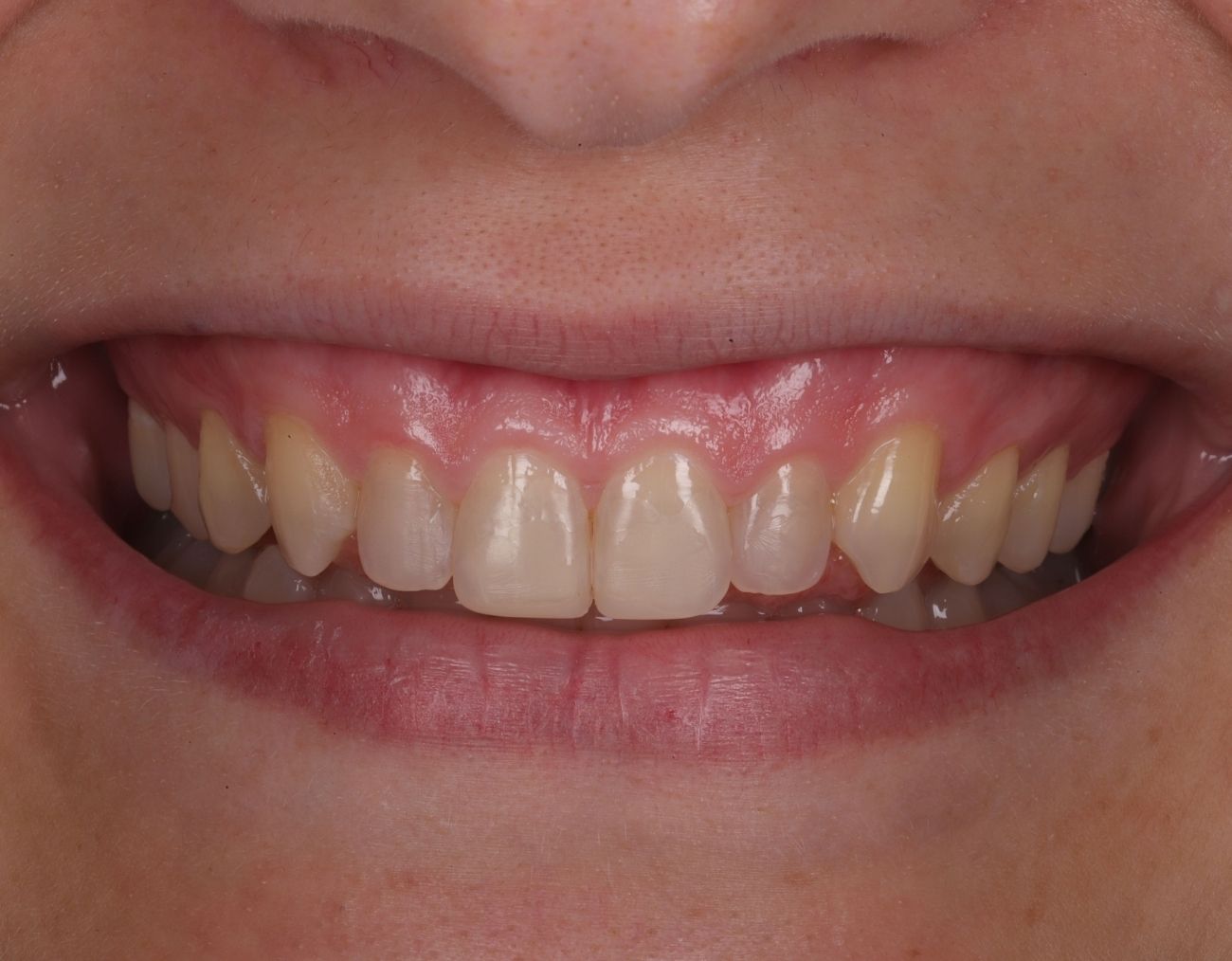
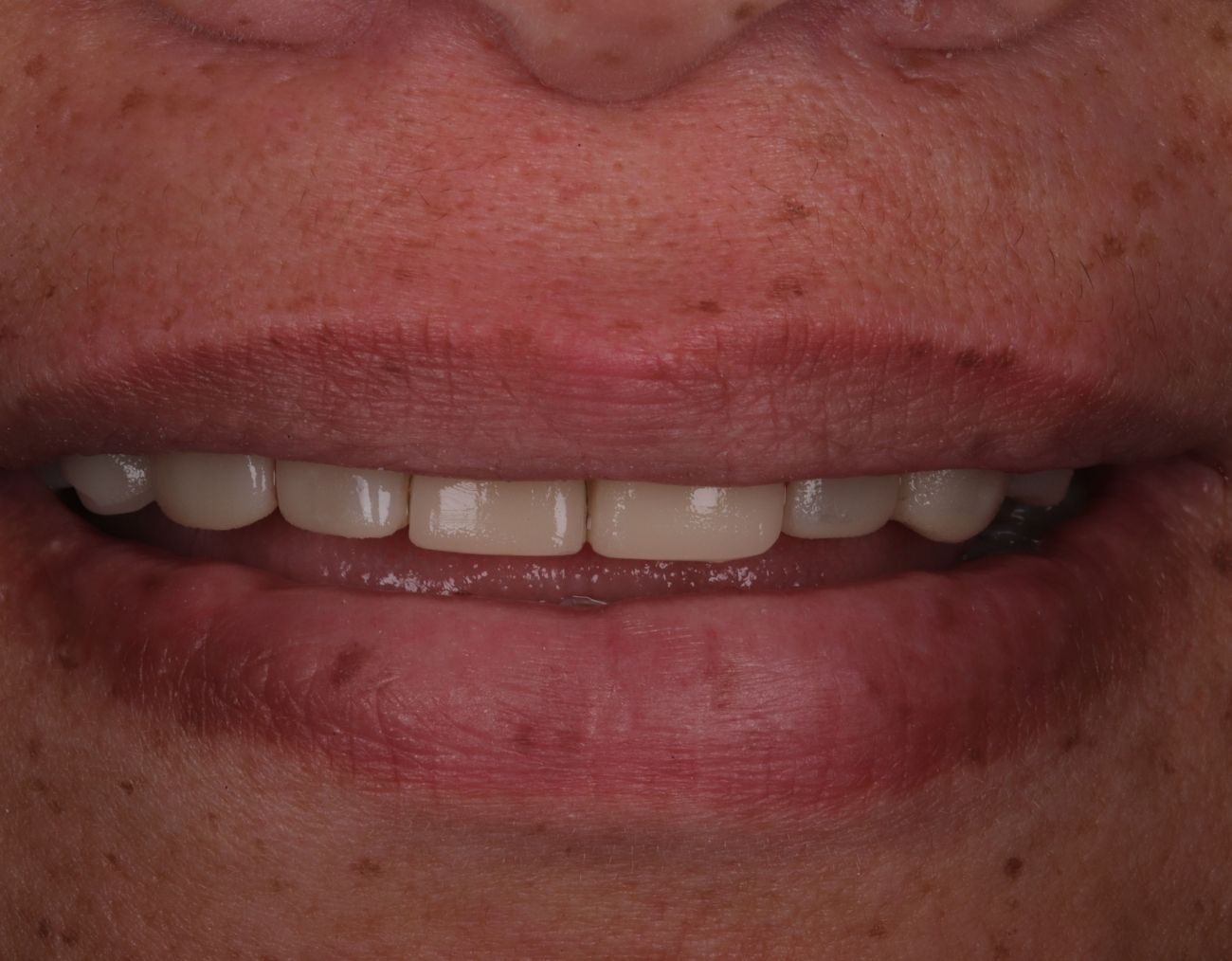
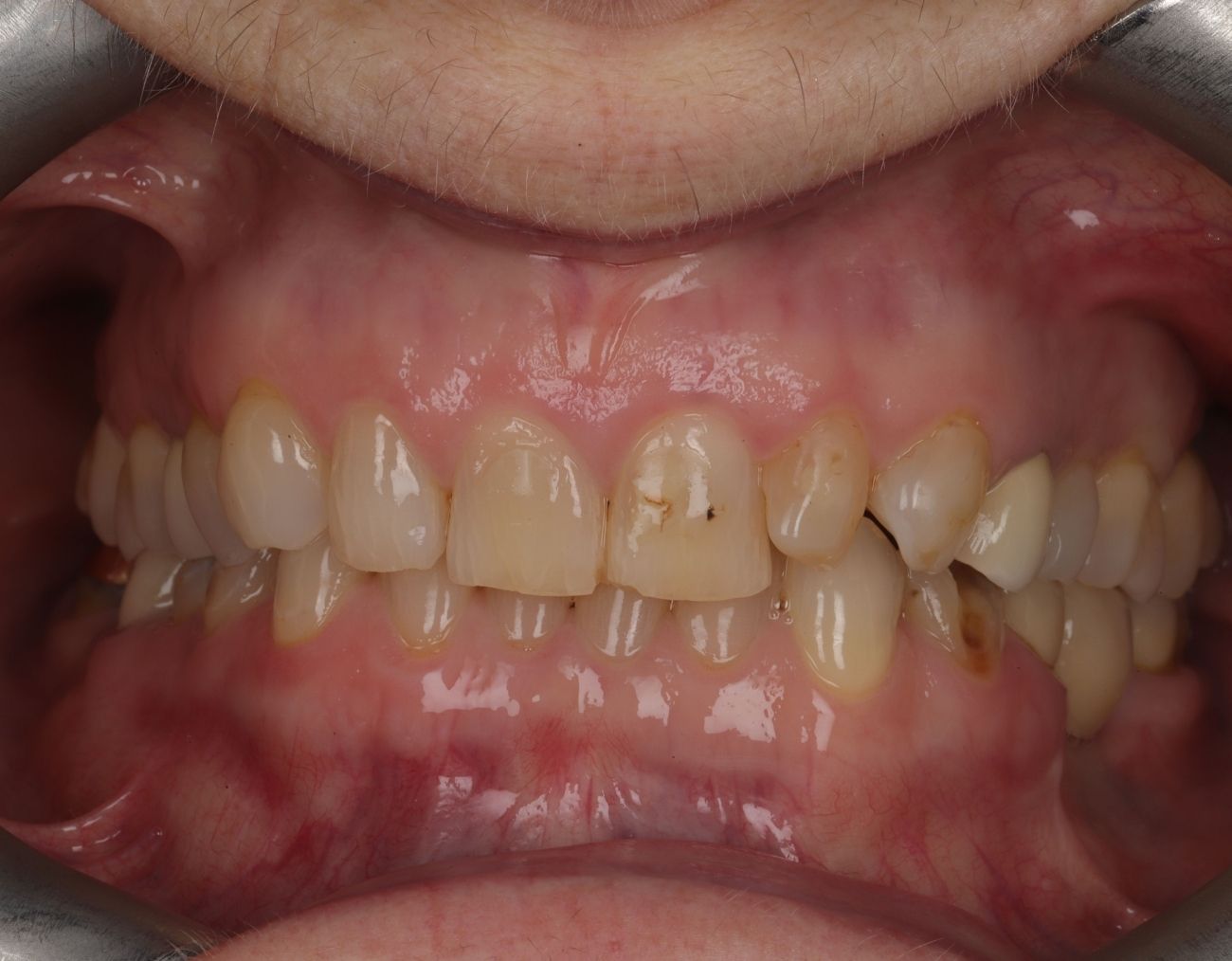
What does a single-tooth denture look like

Single tooth denture cost
- Acrylic partial dentures are cheaper than Cobalt Chrome dentures
- Prices are dependent on clinic, location, fit and materials
- The complexity of your case and the number of appointments will affect the final cost
- The higher the cost, the higher the quality of materials used
The average cost of a single-tooth denture in the UK ranges from £350 to £2,000, depending on the type and material.
At our clinic, we charge from £850 for an immediate, partial acrylic denture, which is completely financeable using 12 months 0% finance.
Our patients paying monthly for a single-tooth denture can pay £56 per month with a 20% deposit using 0% finance.
Wondering about the costs of a single front tooth denture? They’re the same!
Live near Weybridge in Surrey? Get a single tooth denture at our clinic or explore other missing teeth options.

What about a single-tooth denture on the NHS?
Under the NHS, dentures are charged a set fee, unlike those obtained privately, which can vary by practice and materials used.
Partial dentures on the NHS in 2025 cost from £326.70, as they fall under a Band 3 treatment. The cost typically covers the process and any necessary adjustments for a proper fit. The material likely used for your NHS single-tooth denture will be acrylic (a hard, plastic-like material).
If you manage to get an NHS denture with a split NHS and private practice, the fee might be higher than the NHS costs listed above.
Read next:
 Tell me the main points of the Single Tooth Denture article
The summary in grey at the top of this page was generated using AI based on the content of the post, in line with Google’s guidelines on AI-generated content.
Learn More