Teeth Falling Out? Causes, Treatment, and What To Do Next
We know exactly how it feels and how worrying it can be when you begin to notice your teeth becoming loose, or worse, falling out.
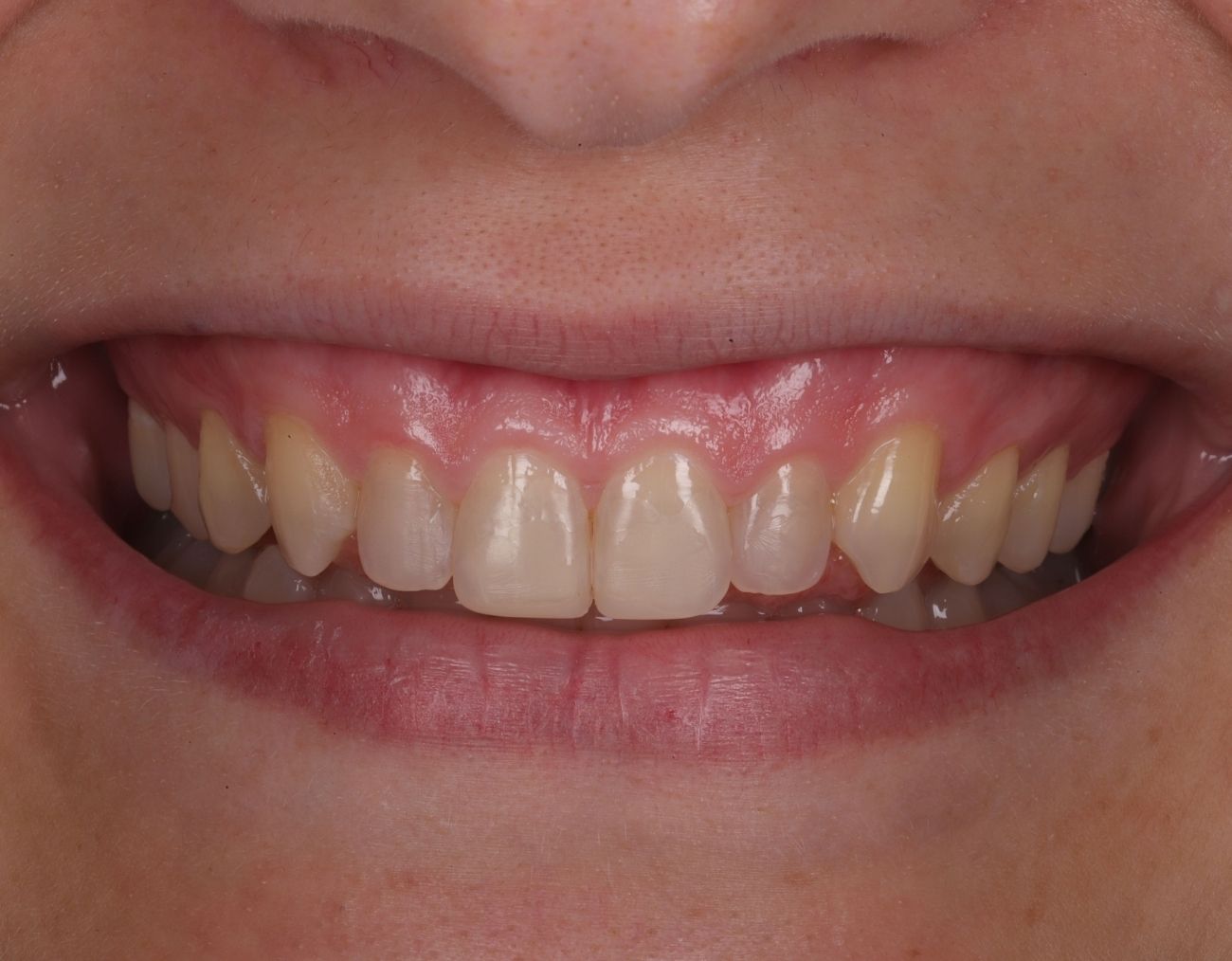
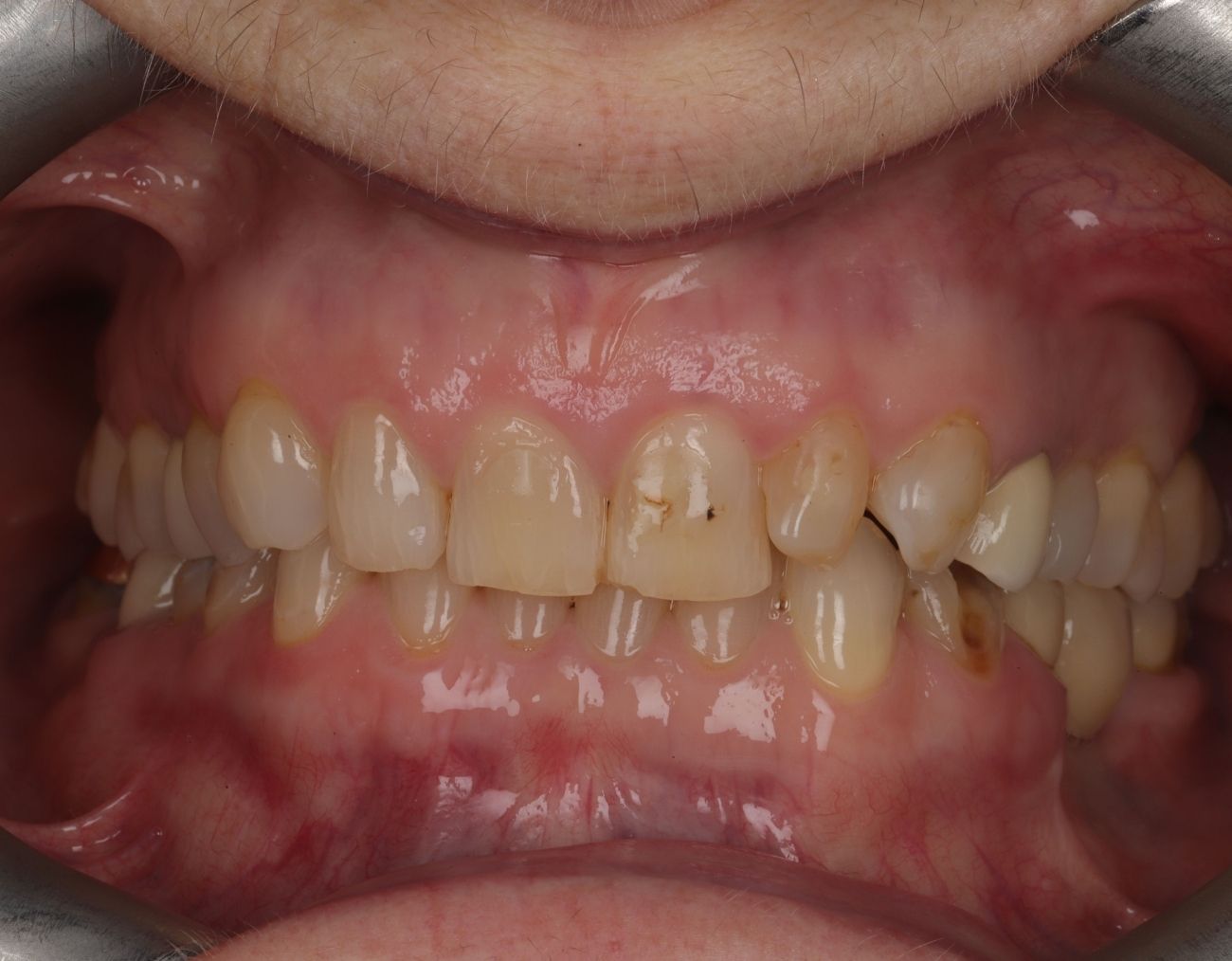
In adulthood, it’s usually a serious sign that something’s going on with your oral health and that big changes are happening under the surface. So, if your tooth loss is accompanied by gaps forming, bleeding gums, black triangular pockets, gum recession and how your teeth fit together, it is important that you seek dental advice as soon as possible.
We understand that booking your first appointment with the dentist can be stressful and worrying all on its own, especially if you perceive your teeth as “bad” and it’s been many years since your last visit.
But let us reassure you – there’s nothing we haven’t seen or dealt with, our dentists will never judge you for taking a break from your oral health, and we’ll only commend you for making the right choice to get it sorted. With today’s dentistry, there’s nothing we cannot do to turn it around.
At our Surrey dental clinic, our dentists are known for treating tooth loss and helping patients restore their smiles, oral health, and confidence, often on the very same day.
Find us: MyoDental 40 High Street, Weybridge, Surrey, KT13 8AB.
Here’s our guide to what’s typically happening with your teeth currently and what can be done to fix the issue.


Why your teeth might be falling out
There are several reasons adult teeth can become loose or fall out. The most common is advanced gum disease or periodontitis, which is when plaque and tartar have built up deep into the gums, triggering inflammation that, over time, gradually destroys the bone and tissue that supports your teeth.
Other possible causes include:
- Severe decay or infection that weakens the tooth structure.
- Trauma or injury, such as a fall or accident.
- Bruxism (teeth grinding) puts too much pressure on teeth.
- Underlying medical conditions, like diabetes or osteoporosis.
- Genetics or lifestyle factors, including smoking or poor oral hygiene.
The thing is, when tooth loss and loose teeth are left untreated, the longer you wait or ignore the issue, the more complicated your case becomes, and your treatment options become limited, unless you undergo even more procedures to rebuild your bone and gum health.
Tooth loss is usually a sign that more tooth loss is on the way, so stepping in now can make all the difference in how your smile survives the future.

What to do if your teeth are falling out
Don’t scare yourself into self-diagnosing online. We honestly can’t tell you how many patients believe their issue is far worse than it is, and how much better they feel when it takes only a few appointments to get their oral health back on track.
The best thing to do is see a dentist—and if you’re near Surrey, come see us, as we have dentists with special interests in tooth loss and replacement. At this point, you might not need to see a specialist; it will depend on the health of your gums and what our dentists can do to help right now.
At-home instructions
- If you notice wobbly teeth, avoid wiggling them or biting hard foods on the affected side.
- Keep your mouth clean, maintain your oral health and carry out warm saltwater rinses.
- Stop or limit smoking and reduce your sugar intake to slow bacterial growth.
Booking in to see a dentist quickly can help stabilise your loose teeth, deep clean your gums, and, when necessary, after discussions with you, replace missing teeth using techniques or methods that make sense for your lifestyle and budget. Book an appointment online.

Understanding your options to replace teeth that have fallen out
If your teeth have already fallen out, don’t panic; there are several excellent options to replace them, all within varying budgets.
- Single dental implants: A good option for single tooth loss, which uses a titanium post that replicates a tooth root and supports a realistic-looking fake tooth (crown). Dive deeper.
- Implant bridges: Uses multiple implants to replace several missing teeth in a row. Dive deeper.
- Dental bridges: A traditional option that bridges the gap when natural teeth remain on either side. Dive deeper.
- Partial or complete dentures: Traditional prosthetics that replace either a few or a full arch of missing teeth. Dive deeper.
- Implant dentures: Removable dentures secured by a few dental implants for patients missing most or all of their teeth. Dive deeper.
- All-on-4: A fixed prosthetic which uses four implants to secure a whole new row of teeth. Dive deeper.
During a consultation, our missing teeth dentists will assess your oral health and bone structure to recommend the best treatment plan. In many cases, we can extract failing teeth and fit immediate dentures or implants the same day, so you’ll never be left without teeth. All your missing teeth replacement options.

Can teeth falling out be prevented?
Prevention is the best cure. It is fully possible for us to protect your remaining natural teeth, and we will begin by restoring your oral health and then developing a plan moving forward to bring it back up to speed and functioning perfectly again on its own.
Here are some recommendations for you to follow:
- Brushing twice daily and flossing regularly.
- Seeing your dentist and hygienist every six months.
- Avoiding smoking and reducing alcohol consumption.
- Treating gum disease and decay early.
Book your consultation today to take the first step towards a stronger, healthier smile.
Key takeaways
- In adults, teeth “falling out” is usually a serious warning sign (often gum disease) — especially with bleeding gums, gaps opening, recession, bad breath, or your bite changing.
- The most common cause is advanced gum disease (periodontitis), but severe decay/infection, injury, grinding, smoking, and some medical factors can contribute too.
- What to do now: book an urgent assessment with MyoDental (the dentist) in Weybridge, Surrey. Until you’re seen, avoid wiggling the tooth/teeth; don’t bite hard on that side; keep brushing gently; and use warm saltwater rinses.
- If teeth are loose or already missing, there are solutions: stabilisation/gum treatment first (if needed), then replacement options such as implants, bridges, dentures, implant-retained dentures, or fixed full-arch teeth like All-on-4—matched to your gums, bone, and budget.
Read More
- Missing Teeth
- Dental Implants
- Dentures
- False Teeth Options | Guide to Replacing Missing Teeth
- Implants vs Dentures – Ultimate Guide | Cost, Procedure, Benefits
- Guide to Single Tooth Denture | Costs, How They Stay in & Types
- Implants vs Bridges – Ultimate Guide | Cost, Procedure, Benefits
- NHS: Gum Disease
- Cleveland Clinic: Tooth Loss