Key Takeaways
-
“Screwless” usually means cement-retained: the crown is bonded on rather than fixed with a screw-access hole.
-
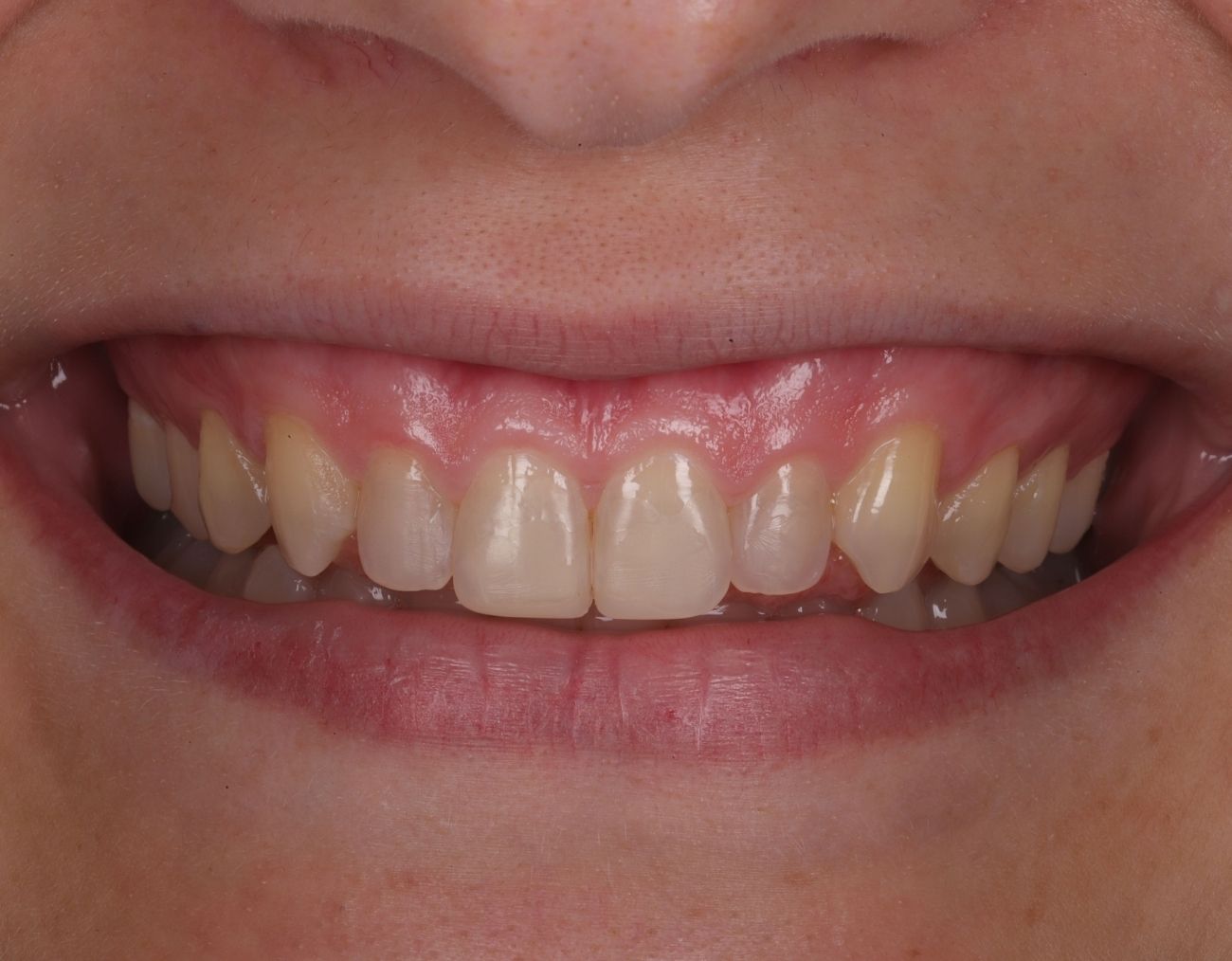
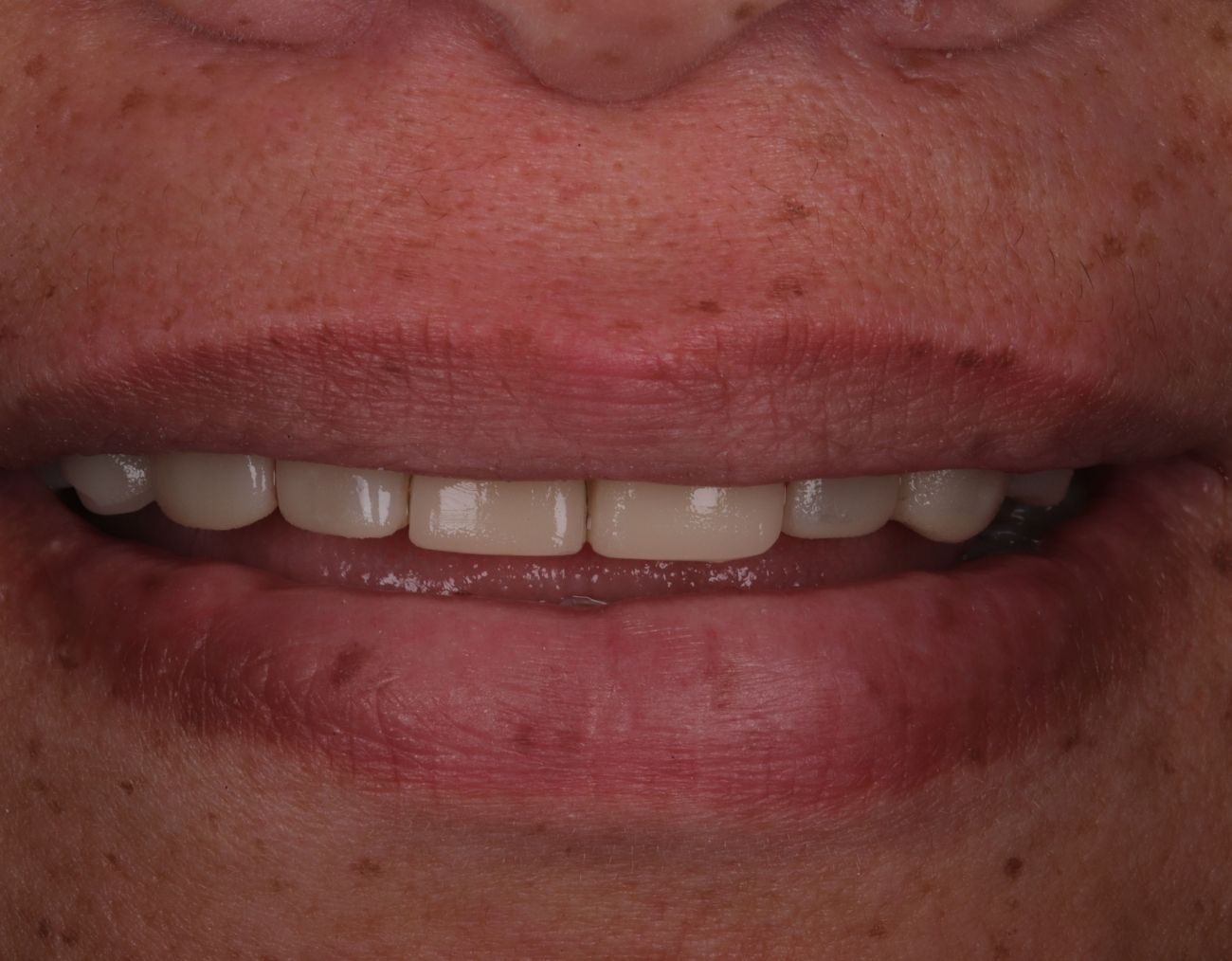
The main upside is aesthetics (especially the front teeth): no visible/hidden screw channel, so the tooth can look more seamless.
-
Trade-off: retrievability. Screw-retained crowns are typically easier to remove for repairs; cemented ones can be harder to remove cleanly.
-
Good case selection matters: it tends to suit specific situations (often single/front teeth) where appearance is the top priority and the fit/margins can be controlled well.
What are screwless dental implants?
Screwless dental implants are gaining popularity, but they’re not a new solution; they’ve been around just as long as traditional implants. However, unlike traditional implants, which use screws to secure the implant to the artificial tooth, screwless implants do not use screws. Instead, they use dental cement to bond the abutment to the bridge or crown.
The only advantage of screwless implants? They can improve aesthetics, especially for the front teeth, and make them feel more natural in the mouth. But they’re not always the preferred solution for UK implant dentists, as they may not be the most suitable option for the types of tooth-loss cases we treat daily.
Find us: MyoDental 40 High Street, Weybridge, Surrey, KT13 8AB.
So, allow us to break it down for you. We’ll show you when they’re recommended, who they’re suitable for and if they’re the right long-term solution for your case.
Overview – screwless implants vs screw-retained

The rare times screwless implants make better sense
Screw-retained dental implants are the most commonly used in the UK, but there are certain scenarios where screwless implants may be the best or most practical option for a patient.
The only time when screwless dental implants might be recommended:
- When a dental implant needs to be placed at an angle due to insufficient bone.
- When there is insufficient vertical space for a screw-access channel.
- When a custom abutment is required to achieve the right profile and fit.
Determining the best type of dental implant for your case requires a CT scan and a consultation with an implant dentist. We’ll prioritise the right implant type based on the best long-term outcome, not the quickest, cheapest, or easiest route. Question? Email us at hello@myodental.co.uk Weybridge.


Screwless implants may offer better aesthetics, but they do pose other limitations
Screwless dental implants are not always recommended because they’re not suitable for a wide range of tooth-loss cases; they’re not a one-size-fits-all solution and are difficult to repair or have limited flexibility.
Screw-retained dental implants, on the other hand, are used more widely because:
- They can be retrieved far more easily
- They are easier to clean and maintain long-term
- They are easier to repair if something chips, loosens or requires adjustment

Been recommended screwless implants? How to know if you’re really right for them
Dental clinics abroad, for example, might recommend cement-retained dental implants to you only because they’re faster and cheaper for them to place – and of course, you’ll only hear that they’ll offer better aesthetics. When undergoing dental implant treatment, you should always ensure you’re opting for a solution that’s ideal for your condition, offers the best long-term stability, and can be repaired by UK dentists if complications arise.
You may be a good candidate for screwless implants if…
- Your implant is in a very visible area (front teeth).
- You want a crown with no screw-access hole, for the most natural look and smooth biting surface.
- Your implant angle is ideal (straight, well-positioned), so cemented crowns will sit correctly.
- You have good gum health and are less prone to inflammation.