❌ Patients with active gum disease or receding gums
❌ Insufficient bone tissue to support the implant
❌ Sinuses are close proximity to close to the upper jaw
The one major factor to qualify for dental implant treatment is having a good density of bone in the jaw.
Without enough bone in the jaw, the implant will not be secure or stable enough to withstand daily pressures and biting forces, which means it’s likely that your implant will fail – and you don’t want that to happen after you’ve just spent around £2,000 to have it placed.
Bone grafting is a common pre-implant procedure and the solution for lack of bone
When teeth are lost, the bone is reabsorbed back into the body because it is no longer needed. Unfortunately, it does not grow back. However, with a little dental intervention, we can regenerate it.
It requires only an additional procedure before your dental implants. However, we will need to wait for the bone graft to heal and regenerate before we can schedule your implant surgery.
Bone regeneration appointments involve rebuilding lost bone in the jaw by inserting a graft between the two pieces of bone so that they can grow together.
The one downside to bone grafting is the fact that it will delay your treatment time by a couple of months.
Dental implants take three months to heal before your tooth is fully replaced – if you need a bone graft before, you can expect an additional 3-6 months, taking your total treatment time from 9-12 months from start to finish.
Some types of dental implant procedures can avoid the need for pre-implant procedures like bone grafts and maxillary sinus augmentation altogether, which is perfect for edentulous (total tooth loss) cases.
If you want implants in the upper jaw but have a lack of room or bone, then you’ll need a sinus lift instead
Typically, sinus augmentations are recommended by our dentists to create more room in the upper jaws to place a bone graft.
The sinus lift procedure aims to increase the volume of bone under the maxillary by placing a graft near the membrane of the sinuses closest to your back teeth.
The goal here is to make the upper jaws taller to change the position of the sinus floors so that there’s enough room for the dental implant without causing any complications.
For example, you’ll need a sinus lift when the sinus floor is too close to the bone where we’ll need to place the implant, so we can address this by grafting bone into the place where we’ll attach the implants.
Other types of procedures we might recommend prior to dental implants
It’s rare for a patient to be immediately ready on the same for implant placement. For example, most patients require a hygiene clean before placement to ensure clean and healthy gums.
Other kinds of treatments our dentists might recommend before dental implants include a hygiene appointment, tooth extraction, socket preservation, ridge preservation, or treatment for gum disease and receding gums.
The pre-implant procedures we recommend will entirely depend on your oral health condition.
So, if you happen to suffer from gum disease, which has caused receding gums near the site where we need to place your implant, then we’ll also need to look into fixing that.
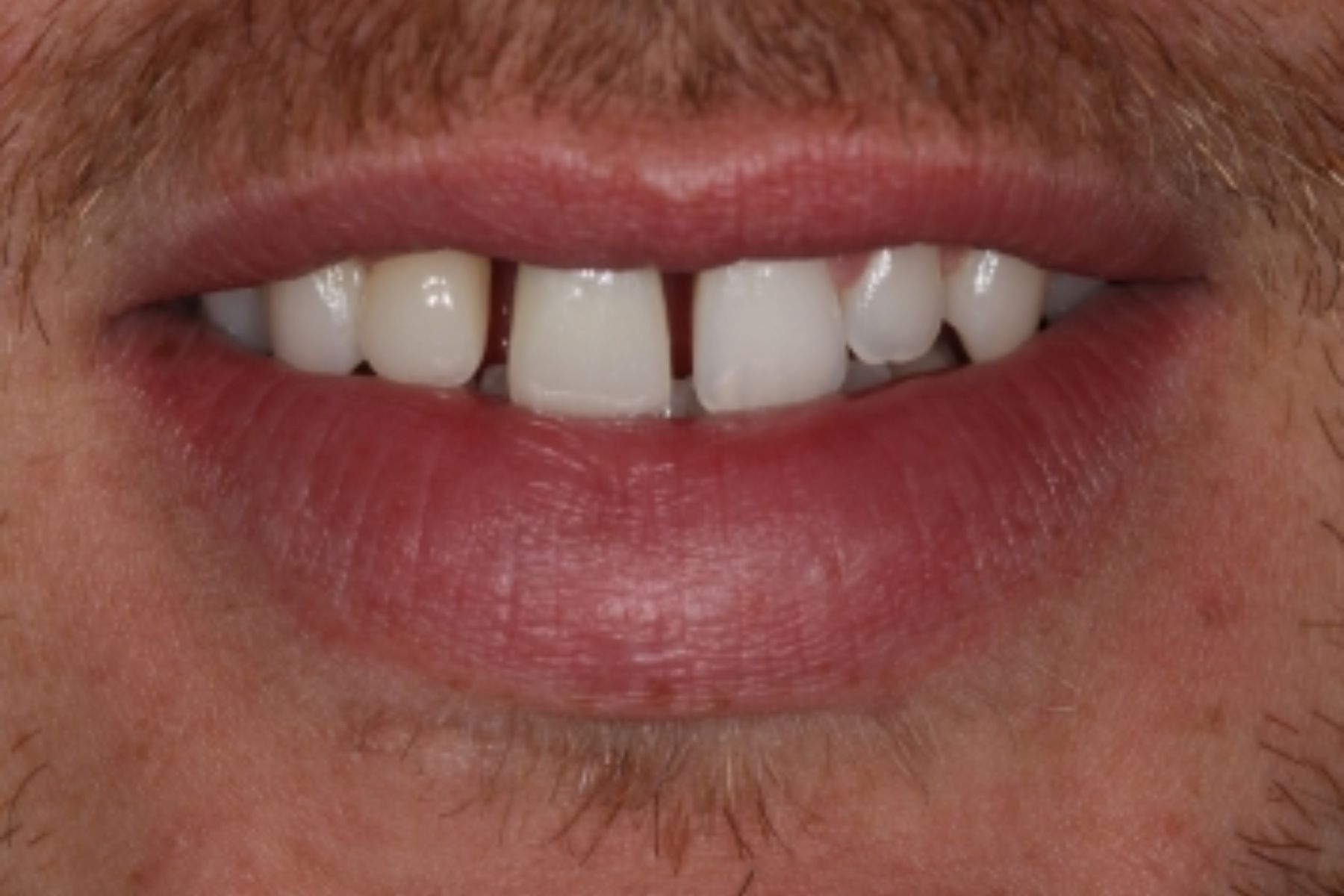
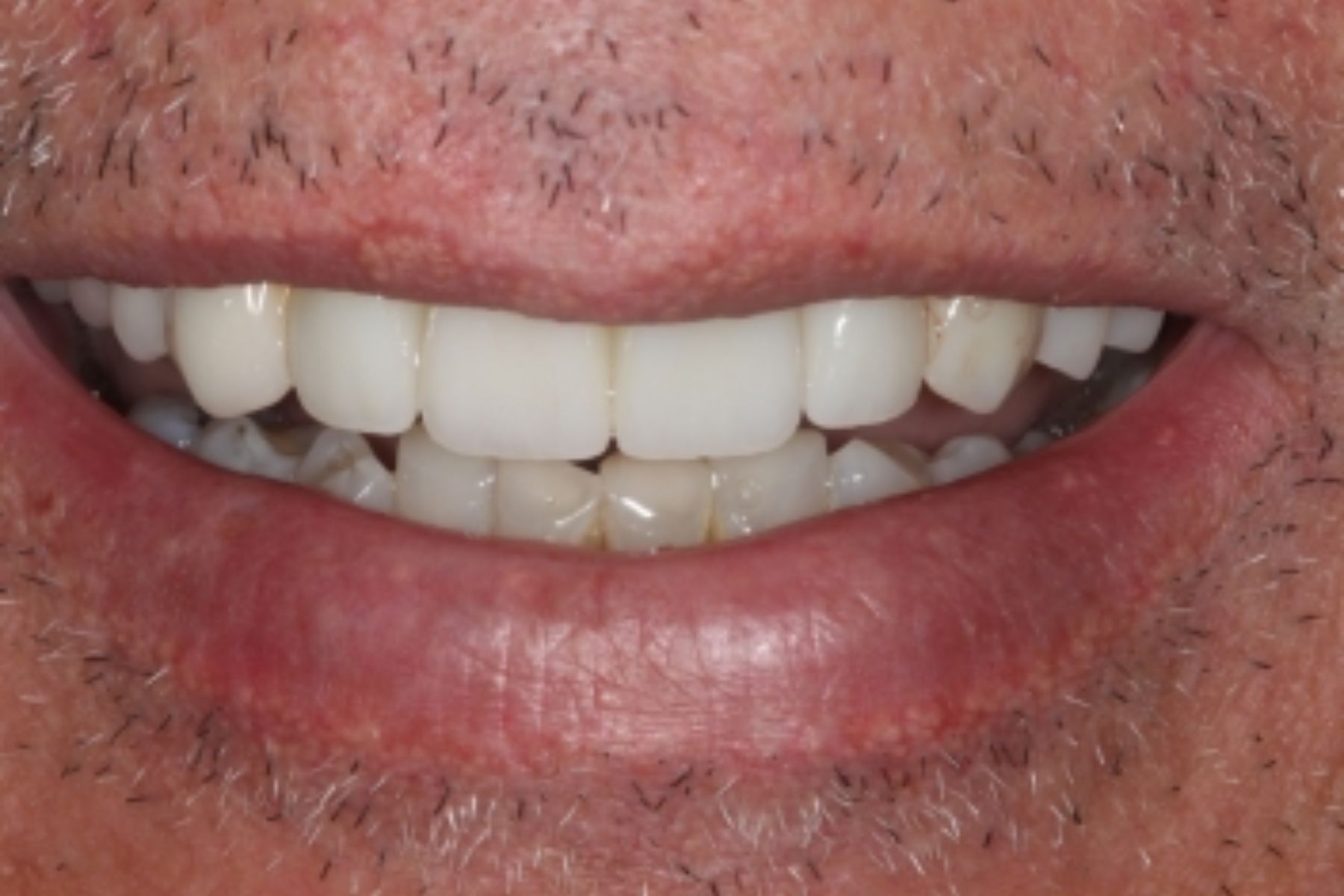
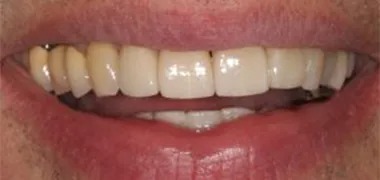
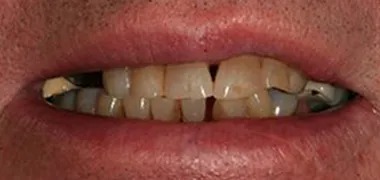
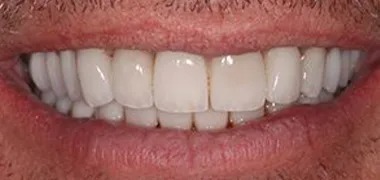
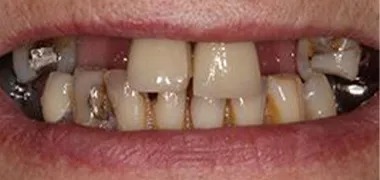
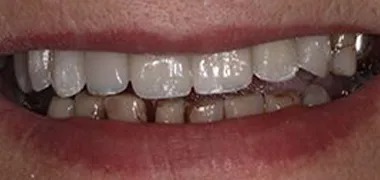
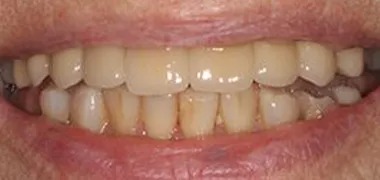
See some of the teeth-replacing smile transformations our patients have enjoyed with tooth replacement treatments at MyoDental Weybridge, from single implants to full sets.